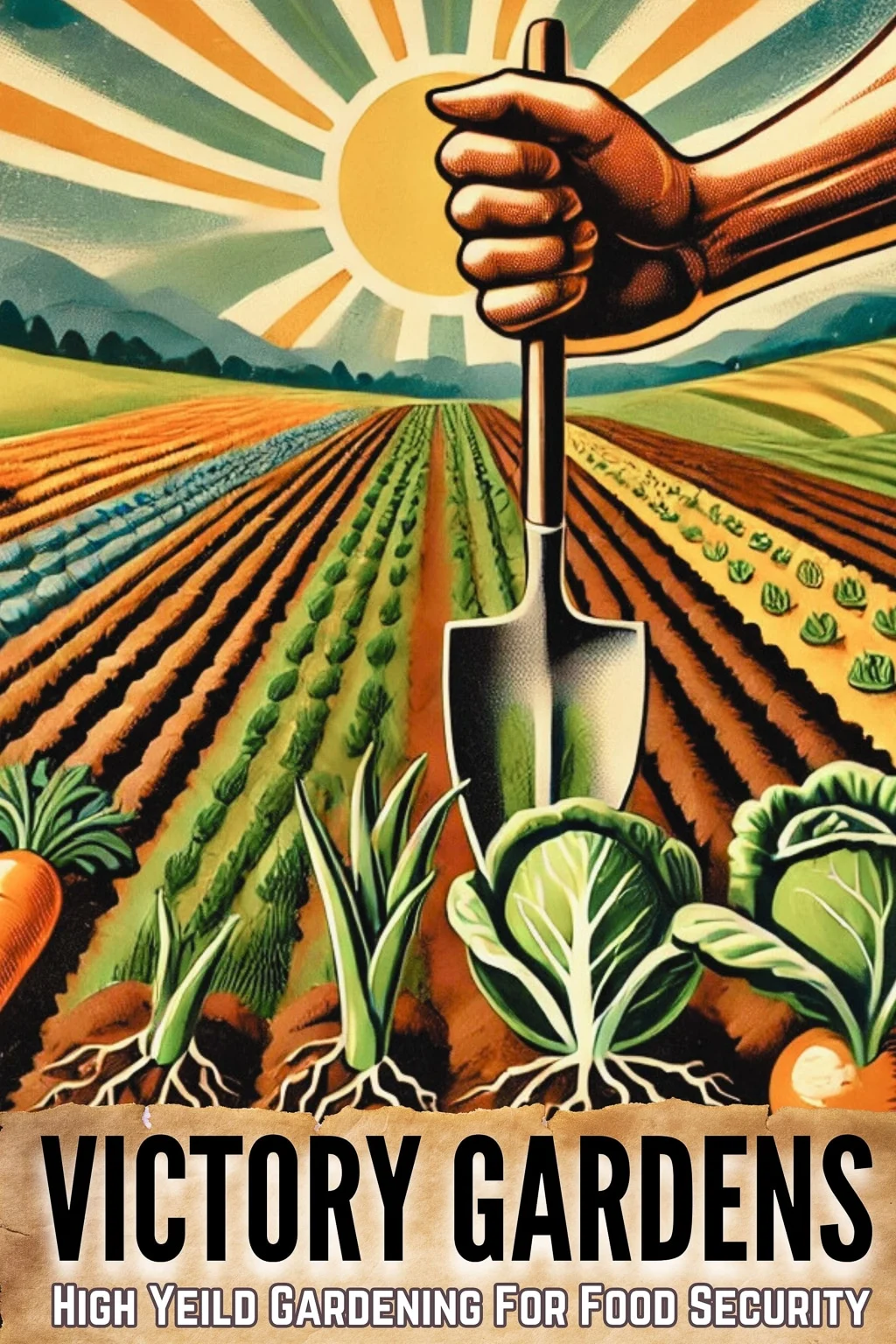
Victory Gardens have a long history of providing food security during crises, but they’re not just a relic of the past. With rising food prices, supply chain disruptions, and increasing political and environmental instability, growing food close to home is no longer just a hobby—it’s a necessity.
This guide will cover everything you need to know about Victory Gardens, from how to get started to what to plant for maximum production.
What is a Victory Garden?
A Victory Garden is a homegrown food garden designed to increase self-sufficiency and reduce reliance on fragile food systems.
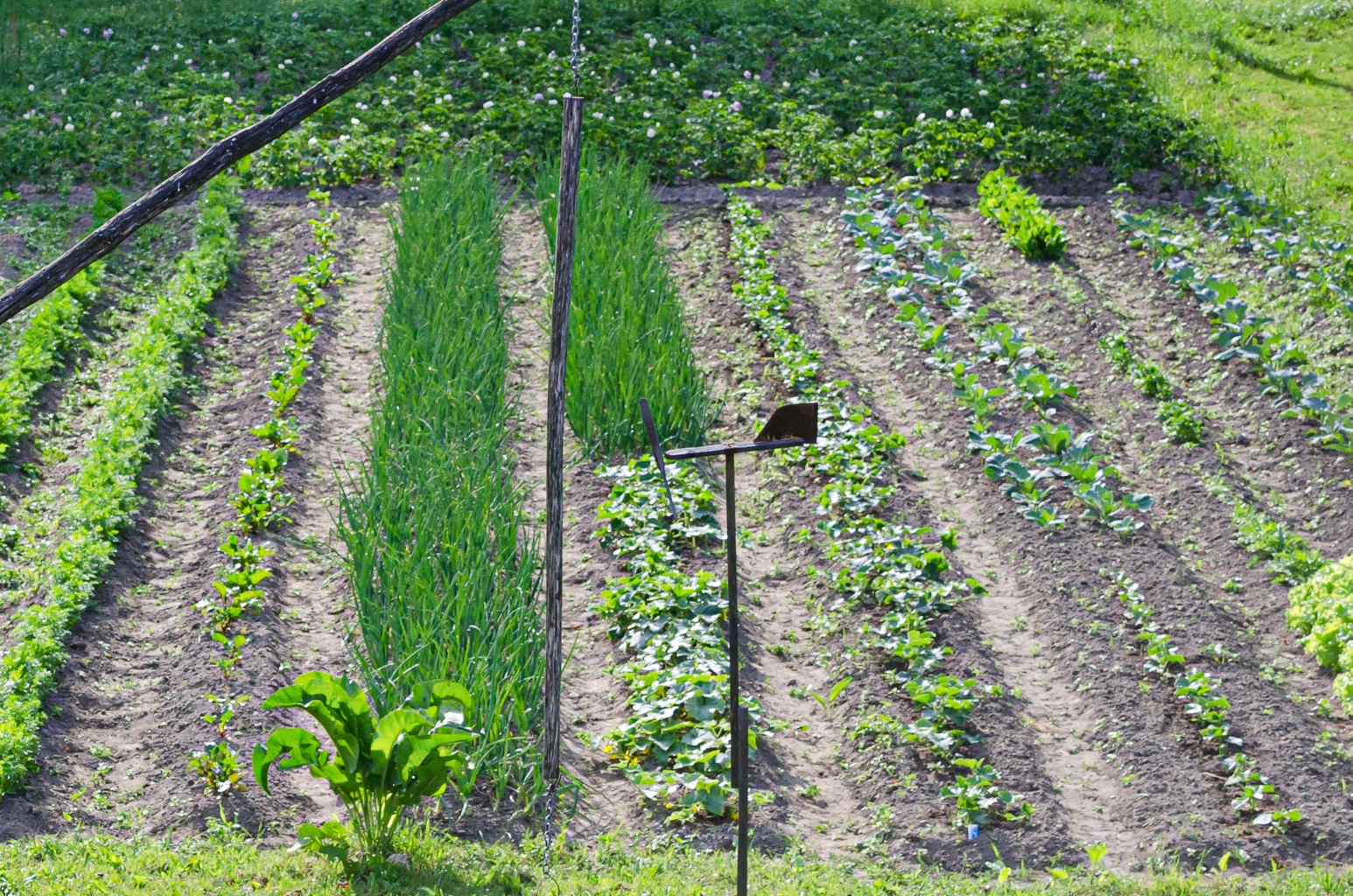
These gardens became popular during World Wars I and II when governments encouraged citizens to grow their own food to ease pressure on the commercial supply chain. Families, schools, and entire communities planted fruits, vegetables, and herbs in backyards, empty lots, and public spaces, helping to feed millions.
Key Idea: Victory Gardens aren’t just about survival but resilience, self-reliance, and strengthening local communities.
Victory Garden vs. Kitchen Garden: What’s the Difference?
Many people confuse Victory Gardens with Kitchen Gardens, but they serve different purposes:
Kitchen gardens are small, close-to-home plots (or container gardens) focused on fresh herbs, greens, and quick-harvest vegetables for daily use.
Victory gardens are focused on food security and bulk production. They are designed to provide staples that store well, like potatoes, beans, squash, and root vegetables. They take up more space and are often planted in rows or larger patches.
A kitchen garden is great if you want to grow food to supplement grocery trips. But if you produce a meaningful amount of food for long-term use, a Victory Garden is the way to go.
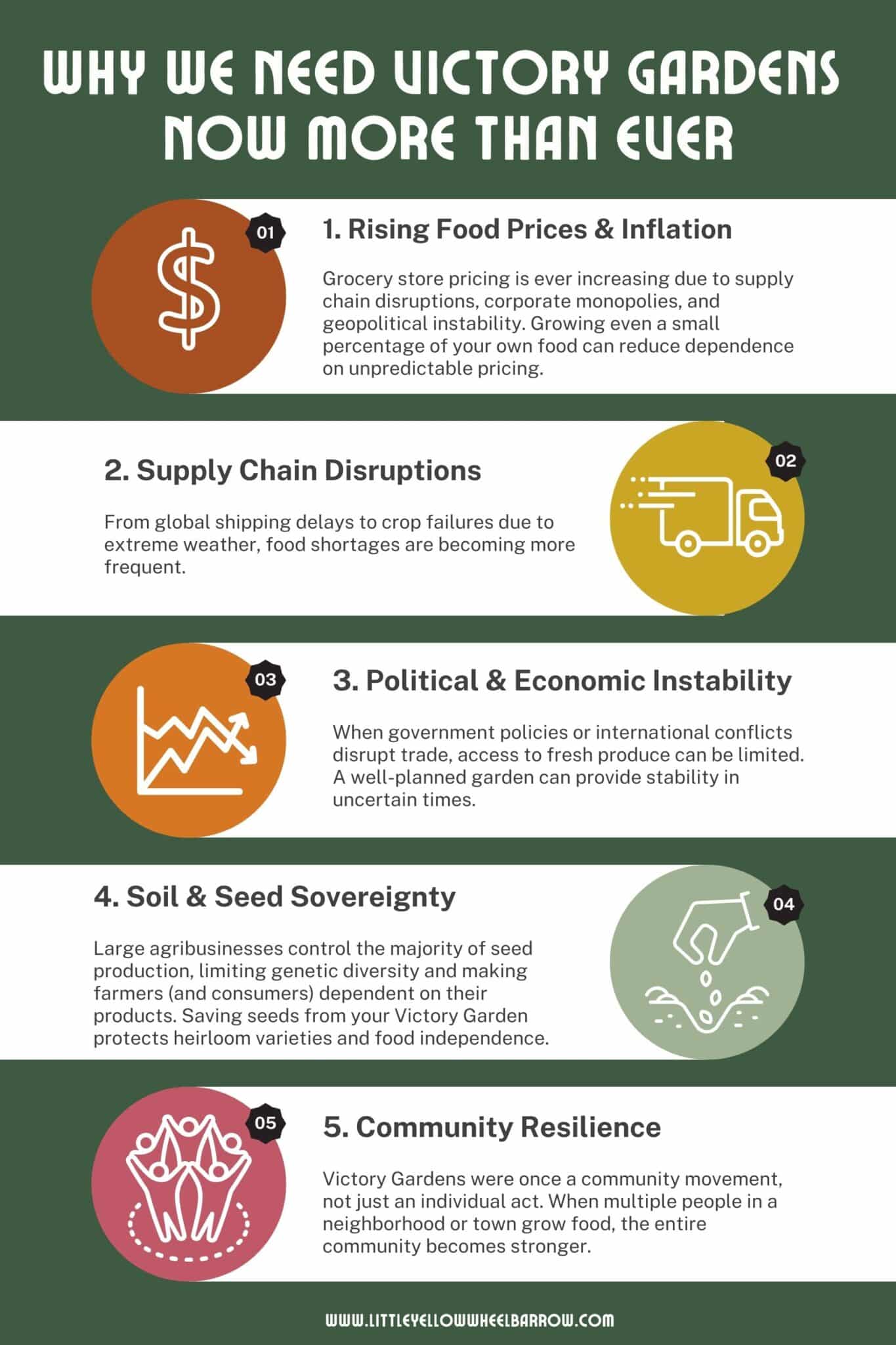
Why We Need Victory Gardens Now More Than Ever
While we’re no longer facing wartime rationing, today’s global food system is more fragile than ever. A Victory Garden isn’t just about self-sufficiency—it’s about preparing for uncertainty and strengthening local resilience.
1. Rising Food Prices & Inflation
Grocery store prices continue to rise due to supply chain disruptions, corporate monopolies, and geopolitical instability. Even growing a small portion of your own food can reduce dependence on unpredictable pricing and give you more control over your household’s food supply.
2. Supply Chain Disruptions
Global shipping delays, crop failures due to extreme weather, and resource shortages are making fresh food harder to access. A home or community garden provides a reliable, local food source that isn’t dependent on outside systems.
3. Political & Economic Instability
Government policies, international conflicts, and economic downturns can disrupt trade and limit access to fresh produce. A well-planned Victory Garden ensures that you and your family have food security, regardless of external instability.
4. Soil & Seed Sovereignty
Large agribusinesses dominate seed production, reducing genetic diversity and making both farmers and consumers dependent on corporate-controlled seeds. Saving your own seeds from a Victory Garden preserves heirloom varieties and strengthens long-term food independence.
5. Community Resilience
Victory Gardens were once a collective effort, not just an individual act. When neighbors and local groups grow food together, they create stronger, more self-reliant communities—ensuring that food is available even in times of crisis.
How to Plan a Victory Garden
A well-planned Victory Garden maximizes food production while minimizing resource waste. Here’s how to start:
Step 1: Choose the Right Location
A Victory Garden doesn’t have to be in a perfect, cultivated space. These gardens thrive in available, underutilized land—backyards, front yards, empty lots, and even public spaces (with permission). When choosing a spot:
Look for Full Sun – Most food crops need at minimum 6-8 hours of full sunlight.
Ensure Good Drainage – Avoid low-lying areas where water pools.
Think Long-Term – Pick a space that can be improved over time with soil amendments.
Step 2: Decide on the Garden Layout
Unlike a small, organized kitchen garden, a Victory Garden focuses on efficient, high-yield planting. Common layouts include:
Traditional Rows – Best for large spaces and easy weeding with tools.
Block Planting – Packs plants closer together for more yield per square foot.
Intercropping – Mixes plants that grow well together, like beans with corn.
Border & Fence Planting – Fences and edges are used for climbing plants like peas and beans.
Tip: If you don’t have much space, consider turning a lawn into a productive food garden by replacing grass with edible plants.
Step 3: Build Healthy Soil
A thriving Victory Garden starts with nutrient-rich soil. If your soil is poor, improve it by:
Adding Compost – Boosts organic matter and improves fertility.
Mulching – Retains moisture and suppresses weeds.
Using Cover Crops – Grows nitrogen-fixing plants like clover to enrich the soil.
If soil is too compacted, consider double-digging or raised beds to improve root growth and drainage. Although raised beds are not traditionally part of a victory garden due to path space wastage, it is an option if your soil isn’t co-operating.
Step 4: Choose High-Yield Crops
Victory Gardens prioritizes nutrient-dense, calorie-rich, and storage-friendly crops that provide the most value for the space and effort invested. Some top choices include:
Potatoes & Sweet Potatoes – High in calories and easy to store.
Corn – Can be dried and ground into flour or eaten fresh.
Beans & Peas – Great for protein and soil enrichment.
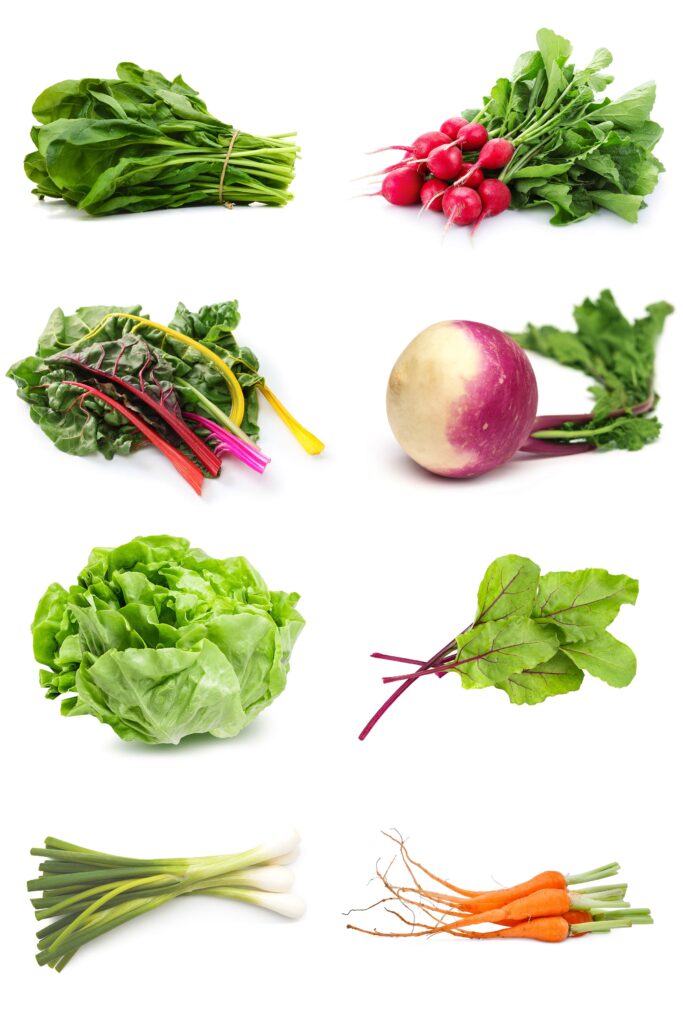
Root Vegetables (Carrots, Beets, Turnips) – Store well and provide essential nutrients.
Leafy Greens (Kale, Spinach, Swiss Chard) – Fast-growing and nutrient-dense.
Winter Squash – Long storage life and high in vitamins.
By carefully planning your Victory Garden, you can maximize your food security and independence while maximizing your available space.
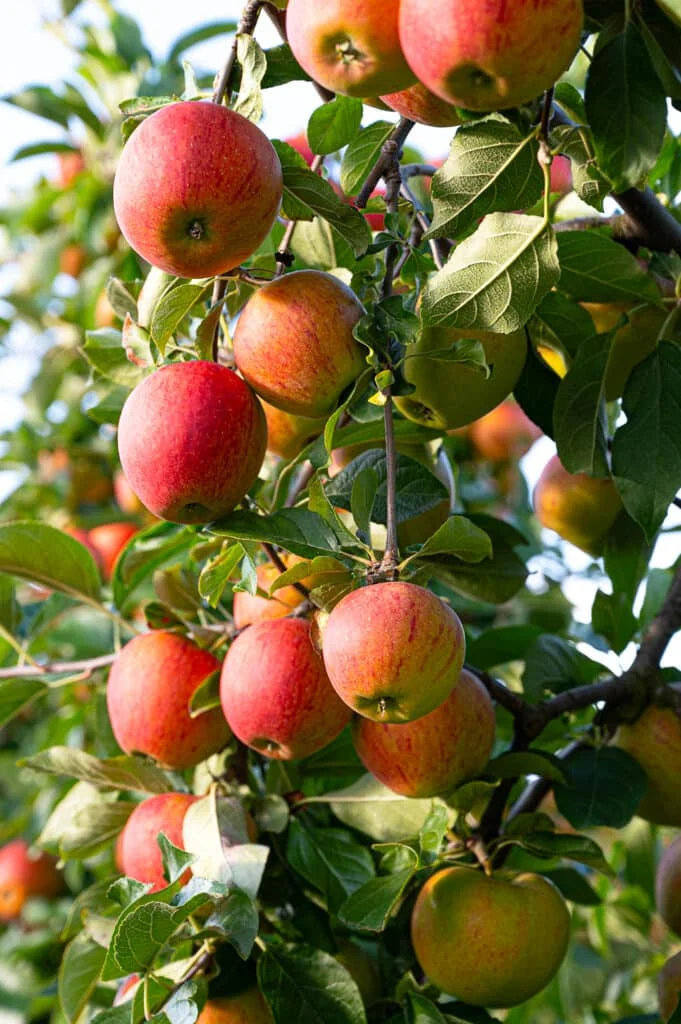
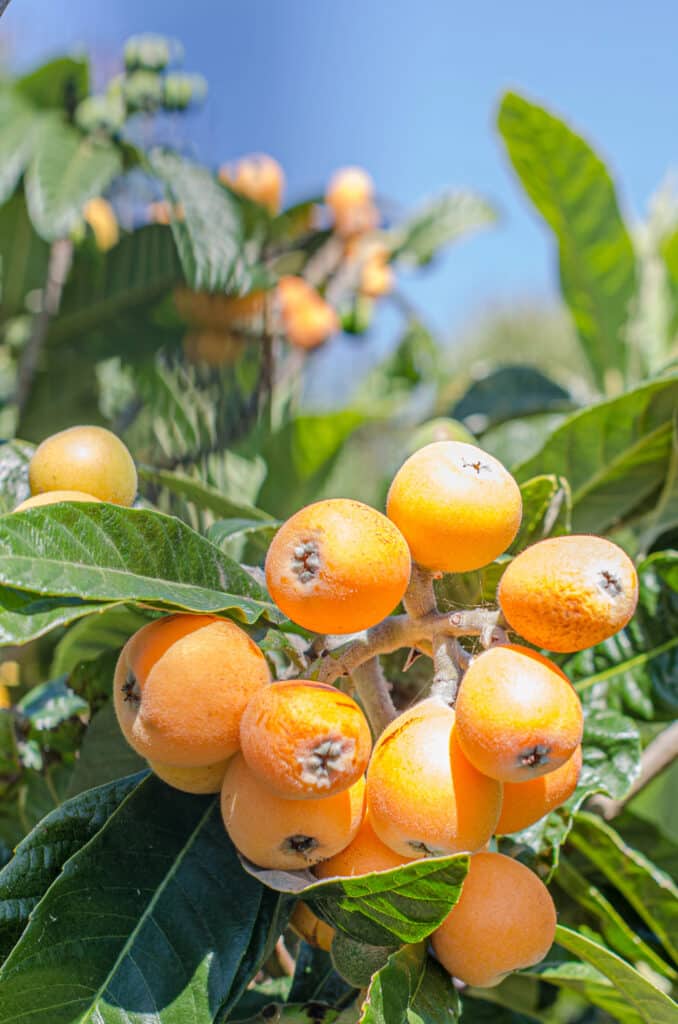
Pro Tip:Plan an orchard. Even 4-6 dwarf fruit trees can keep a family in fresh fruit for months, and most orchard-grown fruit is exemplary for dehydrating, canning, and juicing. Most trees produce a significant amount of fruit in a few short years. The old saying holds true: “The best time to plant a tree is twenty years ago. The second best time is today.”
Best Crops for a Victory Garden
A Victory Garden should focus on high-yield, nutrient-dense, and storage-friendly crops that provide the most value for the space and effort invested. The following crops are ideal for a self-sufficient garden:
Staple Crops for Calories & Bulk Production
These crops form the foundation of a Victory Garden by providing essential calories and energy.
Potatoes & Sweet Potatoes – High in calories, easy to grow, and stored well for months. Best planted in loose, well-draining soil.
Corn – A staple grain that can be dried for flour or used fresh.
Amaranth & Quinoa – Excellent grain alternatives with high protein content and easy harvesting.
Carrots & Beets – Root vegetables that store well and provide essential vitamins.
Winter Squash (Butternut, Acorn, Pumpkin)—Stores for months and provides a nutrient-dense food source. Our squash and pumpkin last in our root cellar until the following season, making them excellent safety foods to have tucked away.
Protein-Rich Crops
For those looking to supplement plant-based proteins, these crops are essential.
Beans (Bush and Pole Beans, Lentils, Chickpeas, Black Beans) Fixes nitrogen in the soil and stores easily when dried.
Peanuts – Can be grown in warmer climates and provide healthy fats and proteins.
Leafy Greens (Kale, Spinach, Swiss Chard) – These are high in vitamins and can be harvested continuously.
Fast-Growing & Continuous Harvest Crops
These crops are perfect for keeping fresh food available throughout the growing season.
Tomatoes – Versatile and high-yield, excellent for fresh eating and preservation.
Peppers (Bell, Chili, Cayenne) – Long-growing but highly productive and easy to store by drying.
Zucchini & Summer Squash – Prolific producers that grow quickly.
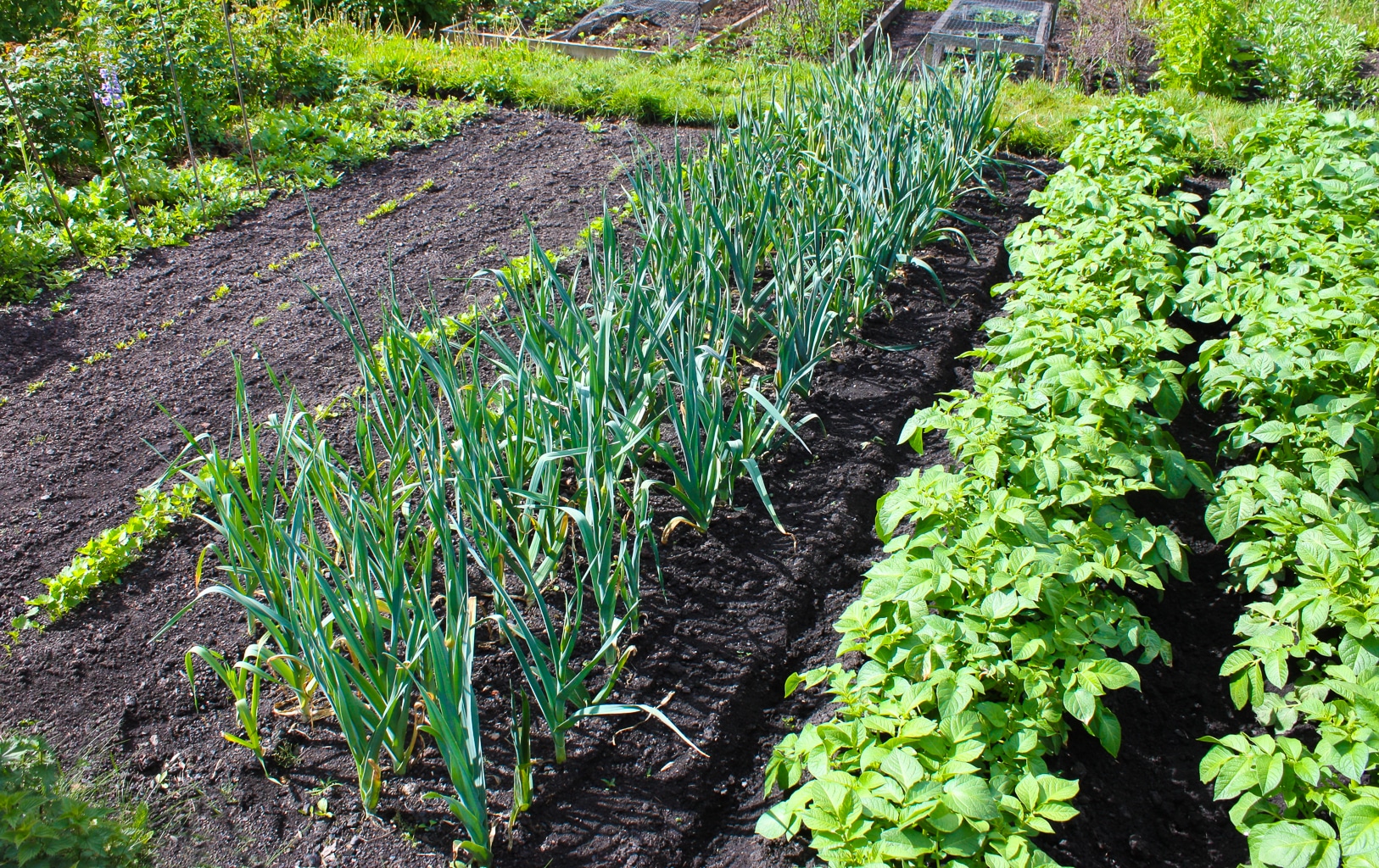
Garlic & Onions – Essential for flavor and long storage life.
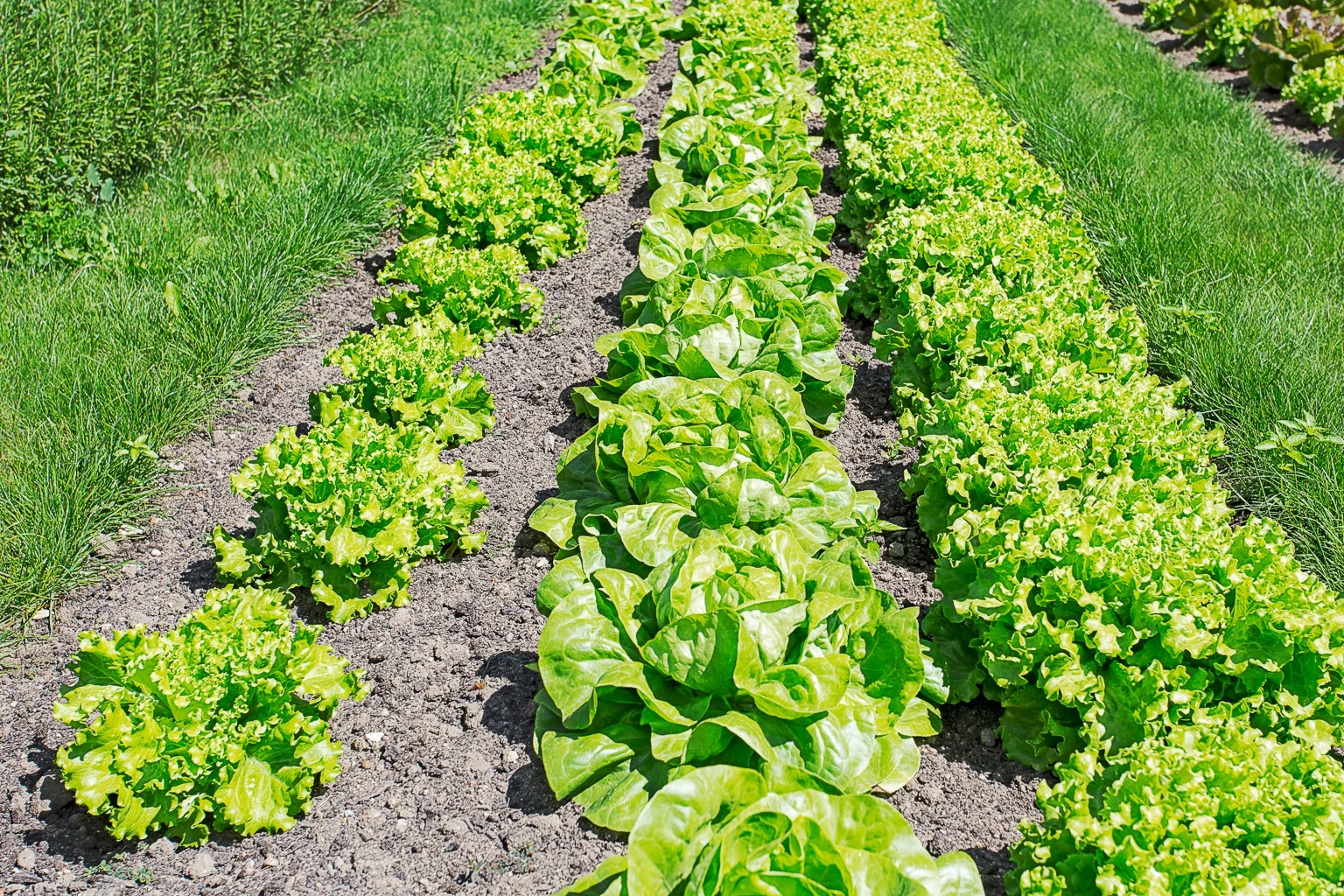
Lettuce & Salad Greens – Fast-growing and can be harvested multiple times per season.
Perennial & Self-Sustaining Crops
These crops require minimal maintenance and provide food year after year.
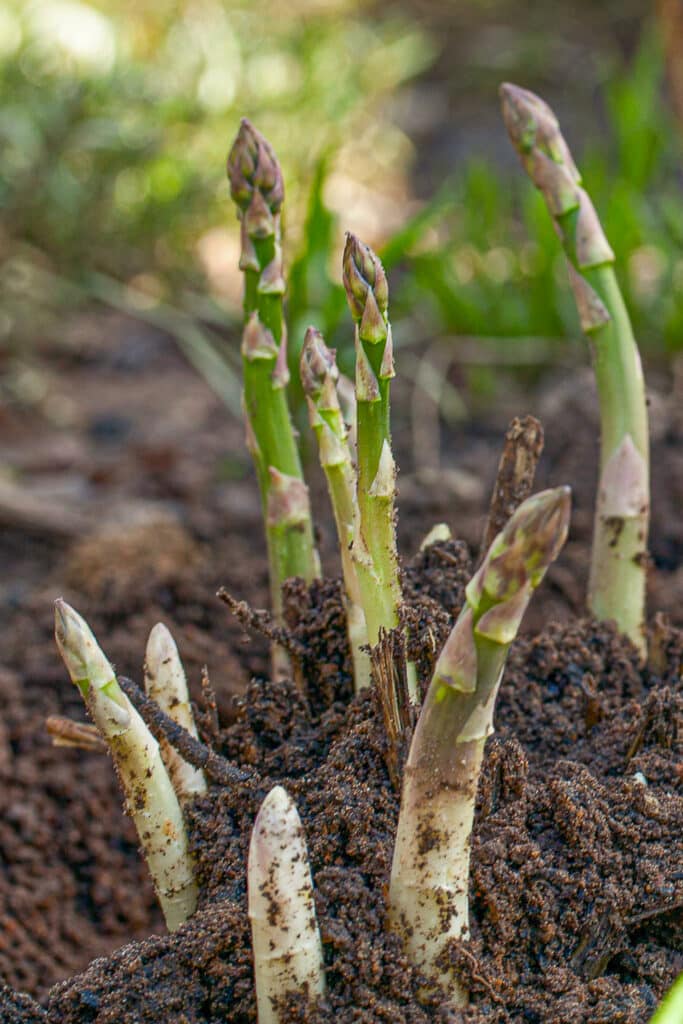
Asparagus – It takes a couple of years to establish but lasts for decades.
Berries (Strawberries, Raspberries, Blackberries, Blueberries) – Provide essential vitamins and can be preserved easily.
Nut Trees (Walnut, Almond, Chestnut) – A long-term investment in protein and healthy fats.
Rhubarb – A special mention for your victory garden. If you are in the north, rhubarb is a an excellent crop that is reliable no matter the conditions. I’ve seen my rhubarb take a -45F hit in the winter without missing a beat. Plus it’s an excellent source vitamin K1 and fibre.
Drought-Resistant & Resilient Crops
For gardens with limited water resources, these crops are hardy and productive.
Sorghum & Millet – Drought-resistant grain crops for flour and animal feed.
Okra – Thrives in hot, dry conditions and provides fiber and vitamins.
Chickpeas & Lentils – Require little water and store well when dried.
21 Fast Growing Vegetables You Can Grow in Under 60 Days
12 High-ROI Crops Worth Growing in 2025
Why Drought-Tolerant Edible Crops are a Smart Choice in 2025
Dividing Edible Perennials: Expand Your food Garden for Free
Preserving & Storing Your Harvest
A Victory Garden is most effective when food is stored for long-term use. Proper storage methods ensure your harvest lasts through the seasons, reducing waste and maintaining food security.
Canning & Fermenting
Water Bath Canning – Ideal for acidic foods like tomatoes, pickles, and jams.
Pressure Canning – Required for low-acid foods like beans, meats, and non-acidic vegetables.
Fermentation – Sauerkraut, kimchi, and pickled vegetables can be stored for months with probiotics intact.
Freezing & Dehydrating
Freezing – Works well for fruits, vegetables, and some herbs.
Blanching Before Freezing – Preserves color, texture, and nutrients.
Dehydrating – Suitable for fruits, herbs, and some vegetables; extends shelf life with minimal space requirements.
Root Cellaring
Best for long-term storage of root crops such as potatoes, carrots, beets, and onions.
Requires a cool, dark, and humid environment to prevent spoilage.
It can be done in basements, insulated garages, or specially designed root cellars.
Seed Saving
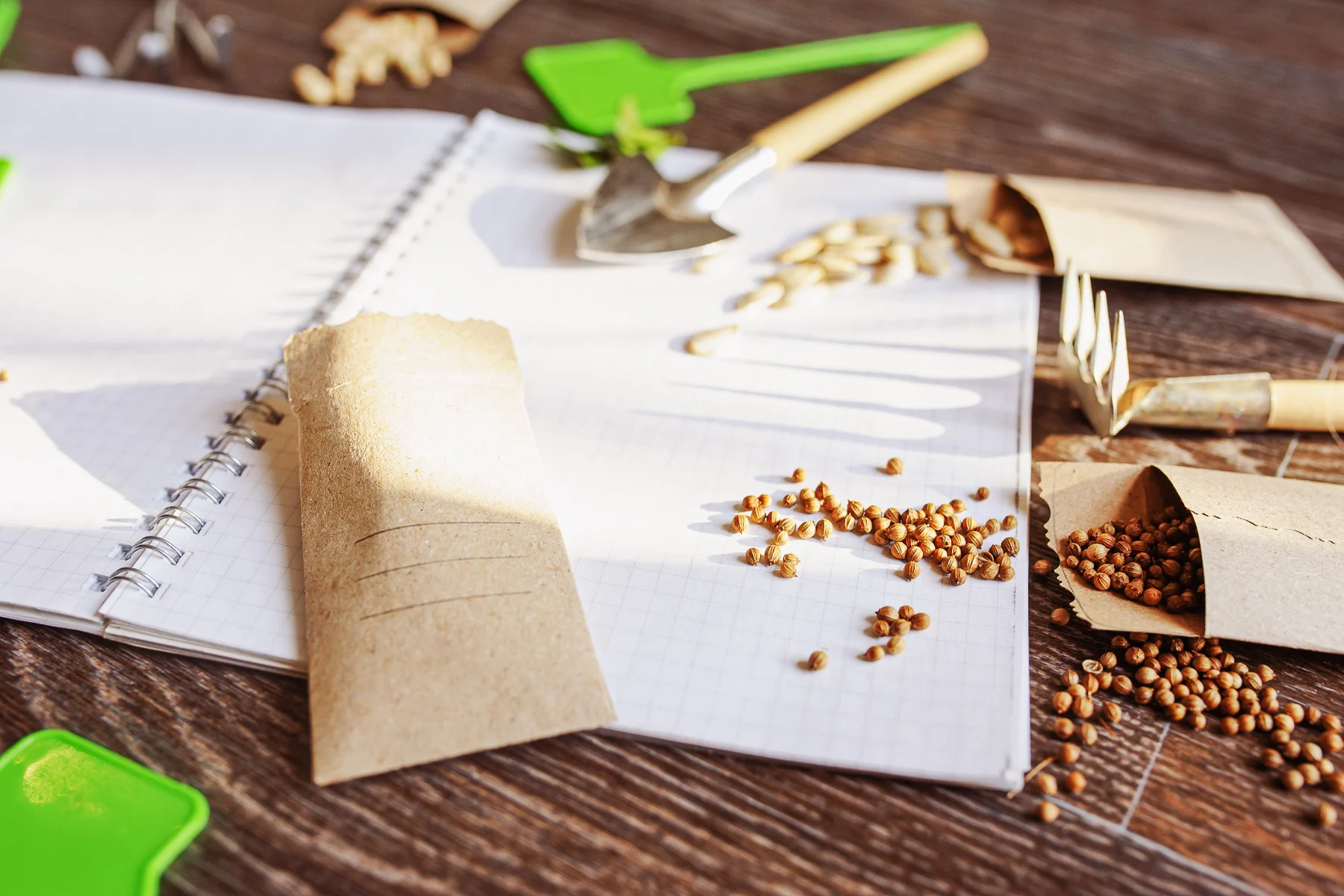
Ensures future harvests without reliance on seed companies.
Select heirloom and open-pollinated varieties for best results.
Store seeds in a cool, dry place to maintain viability.
Victory Gardens: A Powerful Act of Self-Sufficiency
Growing your food is not just about saving money but about resilience, independence, and building stronger communities. A well-planned Victory Garden provides:
Protection from economic instability and supply chain disruptions.
Increased access to fresh, healthy food.
The ability to contribute to and strengthen local communities.
A sense of security knowing you have food—no matter what happens.
Victory Gardens won’t solve every challenge, but they give power back to individuals and communities—one garden at a time.
Ready to Start Your Victory Garden?
If you had to rely on your garden for food, would you be ready? Let’s change that. Leave a comment below and tell me what you’re working with, and I’ll help you maximize your harvest!
Related Posts
Author: Laura Kennedy
Writer & Owner of Little Yellow Wheelbarrow
Laura is a highly skilled gardener and fervent flower enthusiast. Despite her playful battle with plant spacing guidelines, Laura’s work inspires gardeners to create thriving, beautiful spaces that reflect both creativity and sustainability.
This DIY breakfast in bed tray was created with a $2 thrift store find! Top with a vintage graphic and resin to personalize and make it beautiful. Whe [...]
Make baked chicken fajitas in the oven for a simple, flavorful dinner that comes together fast with minimal prep. Some days call for a dinner that fee [...]
Learn how to make resin jewelry using a kit as well as dried, pressed flowers! You can make the most beautiful gifts with this DIY tutorial. Skills Re [...]
Creating a stunning perennial flower bed design doesn’t have to be overwhelming—or expensive. The secret to a breathtaking, high-impact garden isn’t j [...]
The 2026 balcony trends promise a season in which your outdoor space is more than just a few square meters outside: it becomes your green studio, your [...]
This chili meatball recipe makes sweet, spicy meatballs that are perfect for game-day appetizers or easy party food. If you are looking for an easy ap [...]
Kids will love making these DIY suncatchers using tissue paper and recycled plastic lids! A fun, eco-friendly craft that’s bright and easy. Skills Req [...]
We use cookies on our website to give you the most relevant experience by remembering your preferences and repeat visits. By clicking “Accept”, you consent to the use of ALL the cookies.
This website uses cookies to improve your experience while you navigate through the website. Out of these, the cookies that are categorized as necessary are stored on your browser as they are essential for the working of basic functionalities of the website. We also use third-party cookies that help us analyze and understand how you use this website. These cookies will be stored in your browser only with your consent. You also have the option to opt-out of these cookies. But opting out of some of these cookies may affect your browsing experience.
Necessary cookies are absolutely essential for the website to function properly. These cookies ensure basic functionalities and security features of the website, anonymously.
Cookie
Duration
Description
cookielawinfo-checbox-analytics
11 months
This cookie is set by GDPR Cookie Consent plugin. The cookie is used to store the user consent for the cookies in the category "Analytics".
cookielawinfo-checbox-functional
11 months
The cookie is set by GDPR cookie consent to record the user consent for the cookies in the category "Functional".
cookielawinfo-checbox-others
11 months
This cookie is set by GDPR Cookie Consent plugin. The cookie is used to store the user consent for the cookies in the category "Other.
cookielawinfo-checkbox-necessary
11 months
This cookie is set by GDPR Cookie Consent plugin. The cookies is used to store the user consent for the cookies in the category "Necessary".
cookielawinfo-checkbox-performance
11 months
This cookie is set by GDPR Cookie Consent plugin. The cookie is used to store the user consent for the cookies in the category "Performance".
viewed_cookie_policy
11 months
The cookie is set by the GDPR Cookie Consent plugin and is used to store whether or not user has consented to the use of cookies. It does not store any personal data.
Functional cookies help to perform certain functionalities like sharing the content of the website on social media platforms, collect feedbacks, and other third-party features.
Performance cookies are used to understand and analyze the key performance indexes of the website which helps in delivering a better user experience for the visitors.
Analytical cookies are used to understand how visitors interact with the website. These cookies help provide information on metrics the number of visitors, bounce rate, traffic source, etc.
Advertisement cookies are used to provide visitors with relevant ads and marketing campaigns. These cookies track visitors across websites and collect information to provide customized ads.